
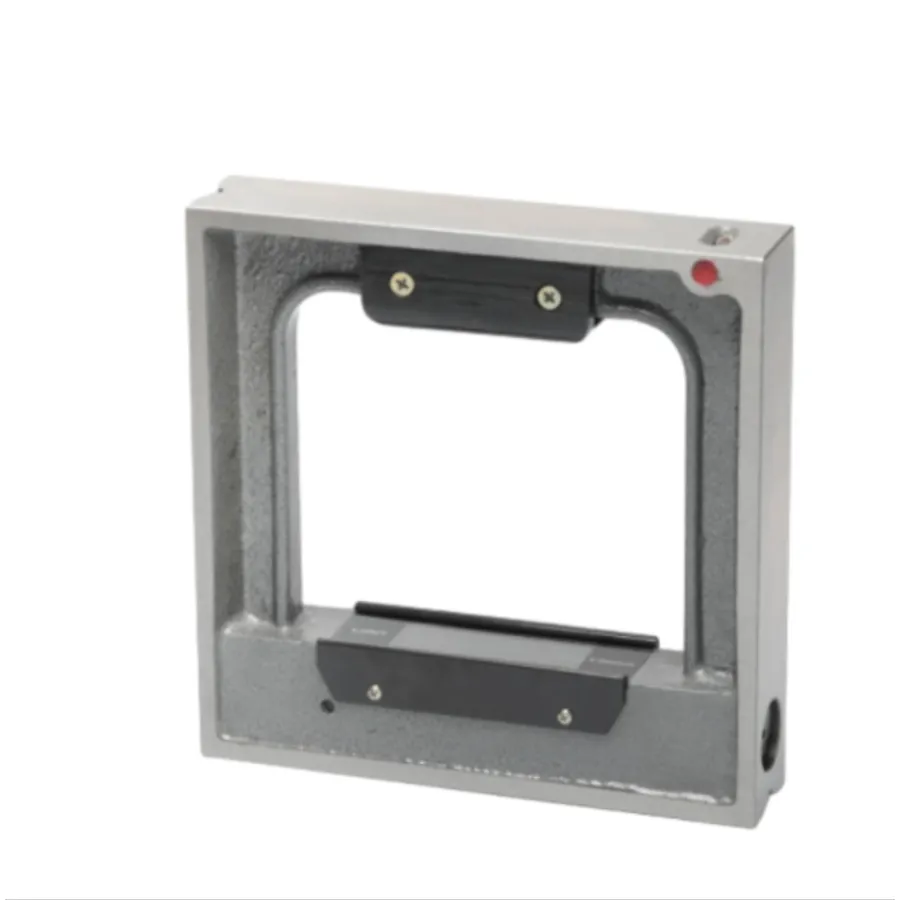
curved glass panels
Understanding Ring Gauge Sets Essential Tools for Precision Measurement In the world of engineering and manufacturing, precision is paramount. One of the key instruments used to ensure accuracy in measurements is the ring gauge set. These gauges play a crucial role in verifying the dimensions of internal diameters, particularly for cylindrical objects. This article explores the significance, types, and applications of ring gauge sets in various industries. A ring gauge set consists of a series of cylindrical rings, each precisely machined to a specific diameter. These gauges are used to measure whether a workpiece falls within the desired tolerance levels. The concept is straightforward a ring gauge is fitted over the object being measured. If the gauge slides on easily, the workpiece is likely within specification. Conversely, if it does not fit, the item is out of tolerance and may require further machining or adjustment. Ring gauges can be classified into two main types the go gauge and the no-go gauge. The go gauge represents the maximum allowable dimension, while the no-go gauge indicates the minimum allowable dimension. Together, they help in assessing whether a workpiece meets the required tolerances. This duality provides a clear and efficient way to ensure quality control without complex measuring instruments. ring gauge set One of the principal advantages of using ring gauge sets is their simplicity and reliability. Unlike calipers or micrometers, which require more complex handling and interpretation, ring gauges offer a straightforward pass/fail outcome . This ease of use also leads to quicker measurements, making them ideal in high-volume production contexts where speed and efficiency are critical. Applications of ring gauge sets are diverse, spanning multiple industries. In the automotive sector, for instance, they are essential for checking the tolerances of engine components, ensuring that parts fit together reliably to optimize performance. Similarly, in the aerospace industry, where precision is non-negotiable, ring gauges ensure that components meet stringent safety and performance standards. Moreover, ring gauge sets are invaluable in the manufacturing of precision instruments and medical devices, where minute discrepancies can lead to significant problems. By utilizing these gauges, companies can maintain high standards of quality control, ultimately reducing waste and avoiding costly errors. In conclusion, ring gauge sets are vital tools in the realm of precision measurement. Their simple design, combined with their effectiveness in ensuring dimensional accuracy, makes them indispensable in various industries. As technology advances, the sophistication of these gauges continues to evolve, incorporating materials and designs that enhance their durability and accuracy. For any company focused on maintaining high-quality standards, investing in a comprehensive ring gauge set is not just advisable; it is essential for success. In a world where precision matters, ring gauges are a key player in the quest for excellence in manufacturing and engineering.
about
curved glass panels
Understanding Thread Angle Gauge A Essential Tool for Precision Engineering In the world of manufacturing and precision engineering, the accuracy of threaded components is pivotal. When it comes to ensuring that screws, bolts, and nuts fit together seamlessly, one tool stands out for its importance the thread angle gauge. This instrument, often overlooked, plays a critical role in maintaining quality and consistency in mechanical assemblies, particularly in industries ranging from automotive to aerospace. What is a Thread Angle Gauge? A thread angle gauge is a specialized tool designed to measure the thread angle of various fasteners. Most threads follow standard profiles, which typically fall into specified angles, such as 60 degrees for unified threads and 55 degrees for metric threads. The gauge allows engineers and machinists to verify that the threads on a fastener conform to these standards, ensuring that they will fit properly with corresponding components. Why is Thread Angle Important? Thread angle is integral to the performance of a threaded fastener. An incorrect angle can lead to misalignment, reduced load-bearing capacity, and ultimately, mechanical failure. When parts are produced to incorrect specifications, the costs can be significant, not only in terms of rework and waste but also in potential safety hazards. Therefore, measuring the angle accurately is crucial for applications that rely on precise engineering. Types of Thread Angle Gauges There are several types of thread angle gauges, each with its specific use case thread angle gauge 1. Digital Thread Gauges These high-tech devices offer precise readings and can often store measurement data for later analysis. They are ideal for high-volume production environments where consistency is key. 2. Mechanical Thread Gauges These traditional gauges utilize physical scales or templates and are often easier to use in field conditions. They are reliable and provide quick assessments without the need for batteries or electronic components. 3. Go/No-Go Gauges This variation helps quickly determine if a part meets dimensional standards. If an angle is within the Go range, the part is acceptable; if it falls into the No-Go range, it fails inspection. How to Use a Thread Angle Gauge Using a thread angle gauge is straightforward but requires attention to detail. First, select the appropriate gauge based on the thread specifications. Place the gauge onto the threaded component, ensuring it is securely seated within the grooves. Read the angle indicated on the gauge. If using a digital gauge, ensure you have properly calibrated it before measuring. Regular use of a thread angle gauge in quality control processes can significantly enhance product reliability. It is advisable for engineering teams to incorporate these gauges into their standard operating procedures, particularly for critical applications where thread integrity is paramount. Conclusion The thread angle gauge may seem like a simple tool, yet it embodies the complexities of precision engineering. As industries continue to push the boundaries of technology and efficiency, ensuring that components fit together perfectly requires meticulous attention to detail. By employing a thread angle gauge, manufacturers can uphold quality standards, minimize failures, and enhance the safety and reliability of their products. As such, this unassuming tool is not just an accessory in the workshop; it is an essential component of modern engineering's commitment to excellence.
-

High quality industrial productsagement

High quality industrial products
View Details -

Meet the diverse needs of customers

Meet the diverse needs of customers
View Details -

Strict quality control

Strict quality control
View Details -

Top raw materials

Top raw materials
View Details -

Trusted supplier

Trusted supplier
View Details
Our application


news and information
welding table cost
Understanding the Costs of Welding Tables When it comes to metalworking and fabrication, having the
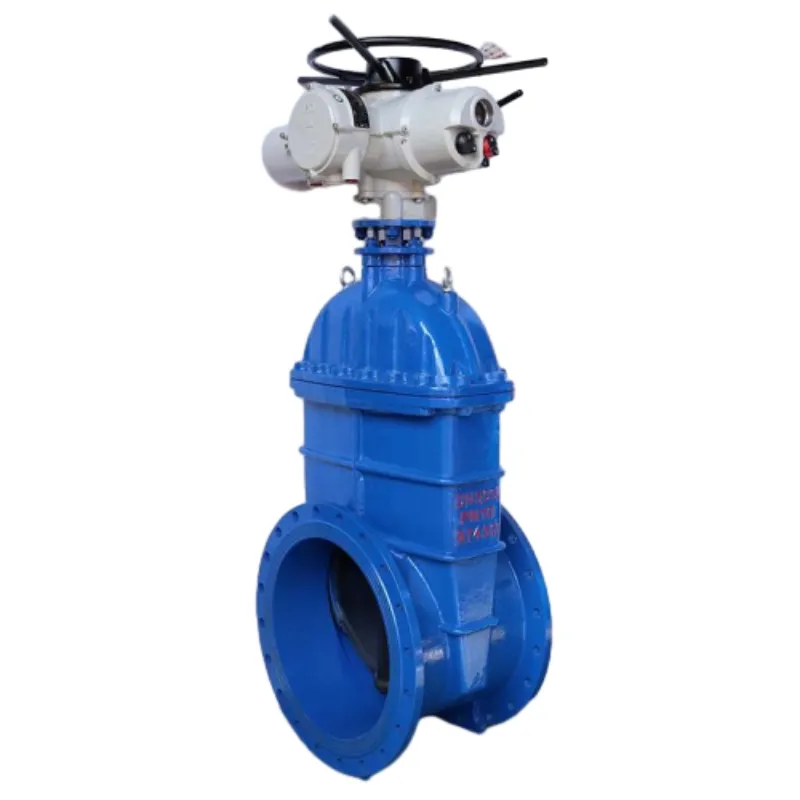
Water Pressure Control Valve for Efficient System Regulation and Flow Management
Understanding Water Pressure Reduction Valves A Comprehensive Guide Water pressure reduction valves

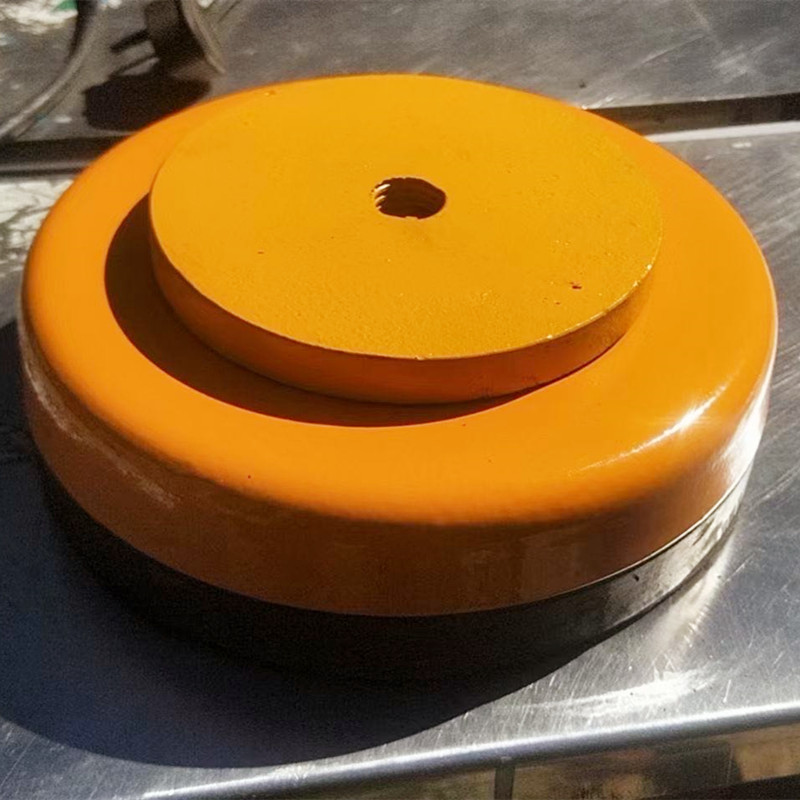
Vibration Reduction Pads
Anti-Vibration Pads A Revolution in Equipment Protection In the modern world, vibration is an inevi
 English